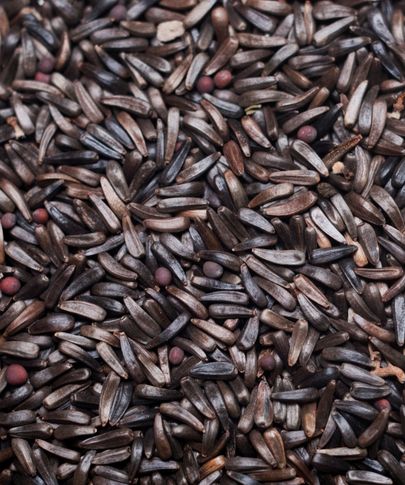
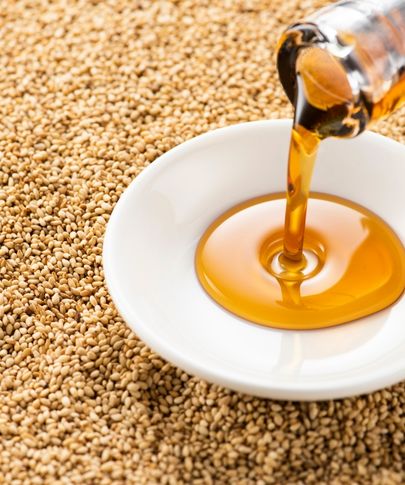
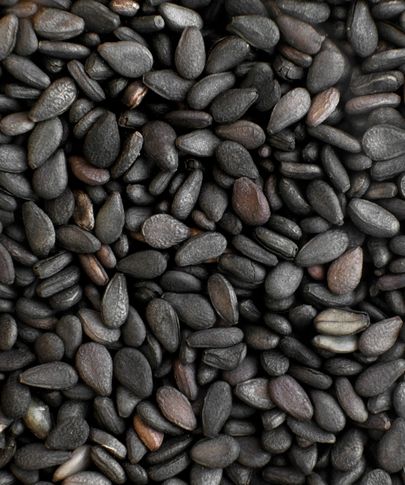
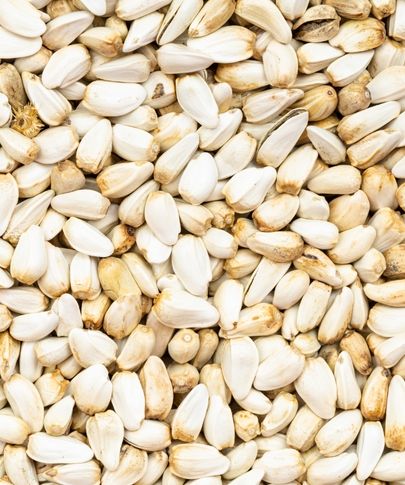
Sesame seeds are among the oldest oilseeds known to humanity, cultivated for over 3,000 years across Asia and Africa. They are small, oval seeds rich in oil content (45–55%) and have a distinctive nutty flavour. The seeds are widely consumed whole—topping breads, confectionery, and snacks—or ground into pastes such as tahini. Sesame oil, extracted from the seeds, is valued for its stability and antioxidant properties and use in cooking, pharmaceuticals, and cosmetics.
Sesame seeds are a nutritious food ingredient rich in protein, fibre, and minerals. They are grown extensively in India, Myanmar, Sudan, Nigeria, and China, which together account for the bulk of the global supply. With strong demand in health-conscious and gourmet food markets, sesame has become a versatile and high-value crop. Its resilience to drought conditions makes it suitable for smallholder farmers in semi-arid regions, supporting food security and income generation.