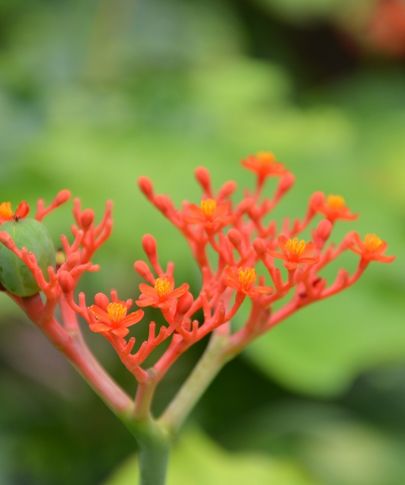
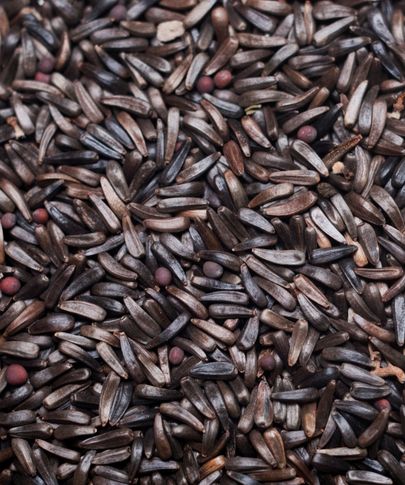
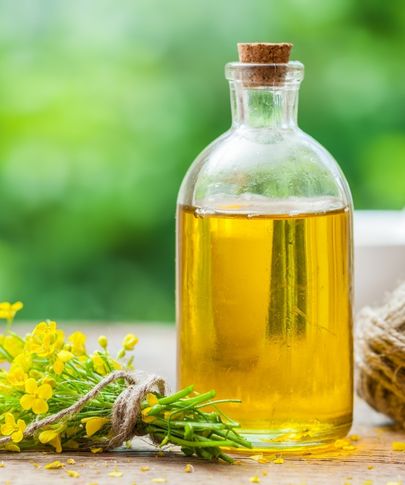
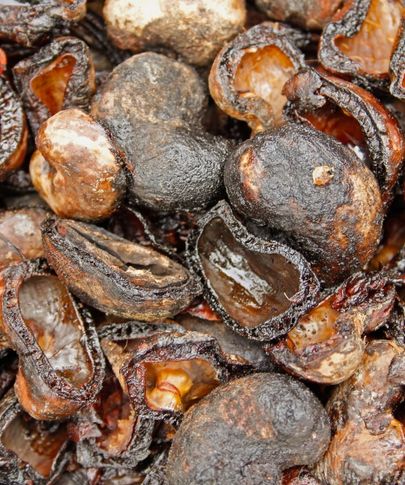
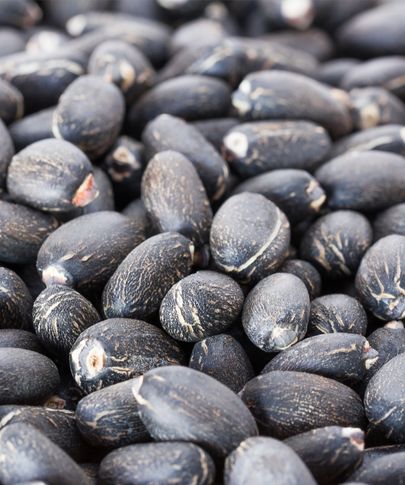
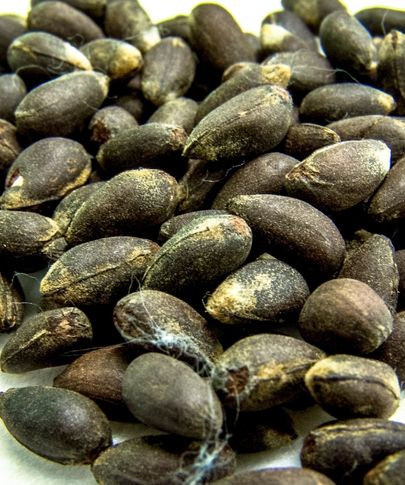
Jatropha oil is a non-edible oil extracted from the seeds of the Jatropha curcas shrub. With an oil content of 30–40%, it is primarily valued as a renewable feedstock for biodiesel production. The oil is rich in long-chain fatty acids but contains toxic compounds, making it unsuitable for human consumption. Jatropha oil is also used to make soaps, candles, lubricants, and other industrial products. Its ability to be cultivated on degraded or arid land without competing with food crops makes it an attractive option for sustainable energy projects.
Countries such as India, Indonesia, and several African nations have promoted large-scale Jatropha cultivation for energy security. The residual seed cake, though toxic, can be used as organic fertilizer or further processed for animal feed. With increasing global focus on clean energy and low-carbon fuels, Jatropha oil remains a promising, though commercially challenging, resource.