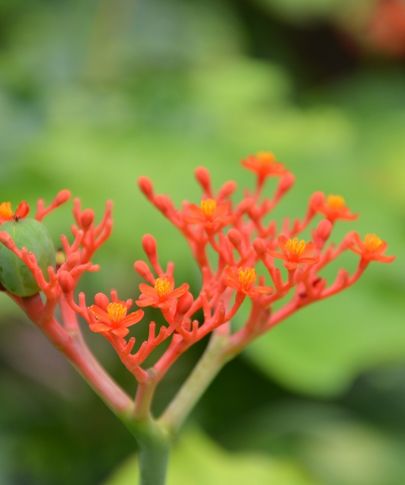
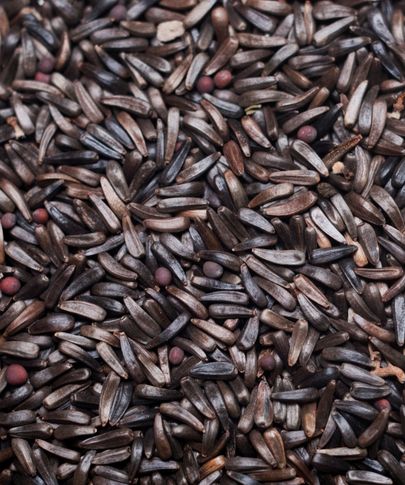
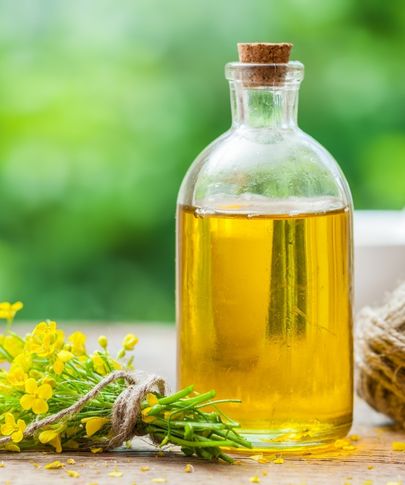
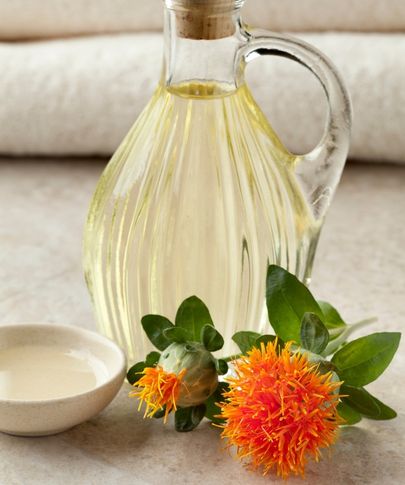
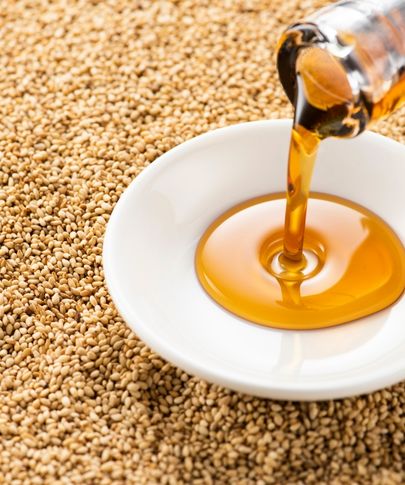
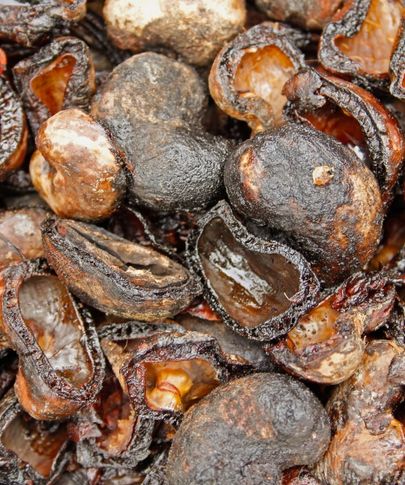
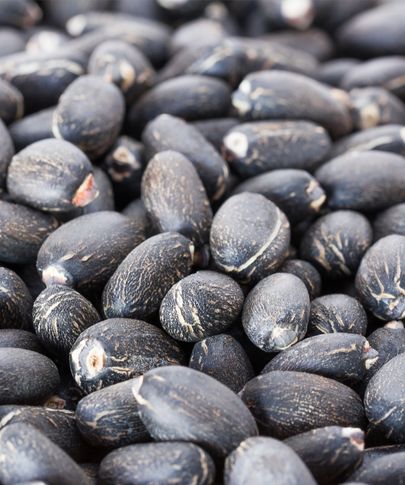
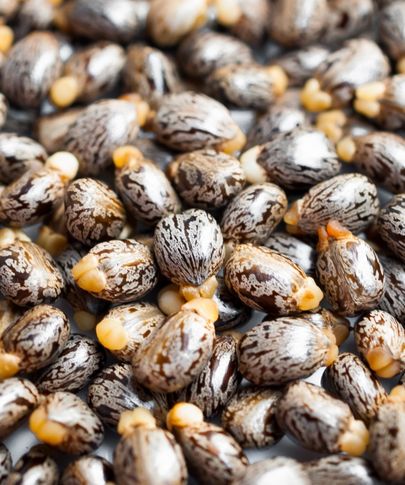
Castor seeds are obtained from the castor plant (Ricinus communis), a hardy crop grown in tropical and subtropical regions. Each seed contains 40–55% oil, which is extracted to produce castor oil, a highly versatile non-edible oil with wide industrial applications. Castor oil is used in lubricants, coatings, cosmetics, pharmaceuticals, and as a raw material for high-performance polymers and bio-based chemicals.
The seeds contain ricin, a toxic protein that makes them unsuitable for direct consumption. After oil extraction, the residual castor cake is often used as an organic fertilizer due to its high nutrient content. India is the world's largest producer and exporter of castor seeds, followed by countries in Africa and South America. With increasing demand for sustainable and speciality chemicals, castor seed cultivation continues to expand. Its resilience to semi-arid conditions makes it an essential crop for smallholder farmers.