
Setting up a solvent extraction plant is a strategic decision for businesses in the oil extraction industry. A solvent extraction plant allows you to separate valuable oil from oilseeds and other materials using a solvent, typically hexane. Your decision to invest in one will be based on not only the oilseed you choose and the quality and yield of your desired product but also the scale of your operations.
Additionally, whether you're looking to extract edible oils or other products, the costs associated with establishing a solvent extraction plant are vital considerations. These costs can vary based on several factors, including the size of the plant, the type of plant, and its location.
In this article, we'll walk you through the key components of a solvent extraction plant and provide an in-depth look at solvent extraction plant costs, with a special focus on the edible oil solvent extraction plant process and the solvent extraction plant cost in India.
Key components of an edible oil solvent extraction plant
To understand the cost breakdown of an edible oil solvent extraction plant, you first need to understand the main components involved in setting up such a plant. These components are essential for running the plant efficiently and ensuring that oil extraction is done safely and effectively.
Oilseed preparation unit. The first step in the solvent extraction plant process is preparing the raw material. This stage includes cleaning, drying, cracking and processing the seeds in other ways to make them suitable for extraction. The oilseed preparation unit may include a seed cleaning machine, a decorticator, a conditioning machine and/or any other equipment based on the raw material in question.
Solvent extraction unit. This is the core of the plant. In this unit, the oil is extracted from the raw material using a solvent like hexane. The process involves mixing the prepared seeds with the solvent, then separating the oil-solvent mixture from the remaining solid seed material. This stage requires extraction vessels, such as extractor units or rotary extractors. For those who prioritize optimal oil recovery and efficient cleaning systems, we recommend our CFx Extractor. You will also need a distiller for solvent distillation i.e. to separate the oil from the oil-solvent mixture.
Desolventizing unit. After extraction, the remaining solvent must be removed from the oil as well as from the meal. This is achieved through a desolventizing process. Desolventizers use heat to remove the solvent, ensuring that the extracted oil is free of solvent traces. You'll need a desolventizer-toaster unit for this purpose and a meal cooler to subsequently reduce the temperature and moisture content of the meal. If you want to level up to a machine with more integrations, you could also go for the Crown technology we provide for this purpose i.e. their desolventizer-toaster-dryer-cooler.
Oil refining unit. After the extraction process, the crude oil needs to be refined. Refining removes impurities like free fatty acids (FFAs), phospholipids, pigments, and other contaminants. This is where you'll find the degumming, neutralizing, bleaching, and deodorizing units, which are vital for making the oil suitable for consumption.
Solvent recovery system. Solvent recovery is an essential part of the solvent extraction plant process; it involves recycling the solvent used in the extraction process. Solvent recovery systems like solvent distillation columns or evaporators help recover hexane and other solvents for reuse, reducing operational costs and ensuring compliance with safety regulations.
Storage and packaging units. Once the oil is refined, it must be stored before being packaged for sale. These units consist of storage tanks for the oil and packing machines for bottling or bulk packaging. You'll also need tanks for storing solvents and meal.
Auxiliary equipment and accessories. This category includes related equipment and extractor accessories like pumps, conveyors, filters, heat exchangers, wedge wires, spray distribution systems etc. used in the entire process. While they may not be directly involved in oil extraction, they are vital for maintaining the smooth functioning of the plant.
Solvent extraction plant process
Next up: what to do with this equipment. Understanding the solvent extraction plant process is key to understanding the costs associated with setting up and operating a plant. Here's a simple breakdown:
Seed preparation. The oil-bearing raw materials are cleaned and conditioned to make them ready for extraction. This step ensures that no foreign particles interfere with the extraction process.
Solvent extraction. The prepared seeds are mixed with a solvent (typically hexane) that dissolves the oil. This oil-solvent mixture (referred to as miscella) is then separated, leaving behind residual solids or cake which also have some solvent mixed in with them.
Desolventizing: The oil-solvent mixture is heated in a desolventizer to remove the solvent and leave behind pure oil.
Refining: The oil is then refined through a multi-step process to remove any residual contaminants and make the oil suitable for consumption.
Solvent recovery: The solvent is recovered from the residual solids through evaporation or distillation, making it available for reuse in future extractions.
Storage and packaging: Finally, the oil is stored in tanks and packaged for delivery.
Solvent extraction plant cost
The cost of setting up a solvent extraction plant can vary greatly depending on multiple factors. Below is an overview of the cost breakdown:
- Land and infrastructure
The land requirement for a solvent extraction plant depends on the plant size and scale. You'll need a sufficient area to house the machinery, storage units, and office space. This includes construction costs, land acquisition, and other infrastructure costs.
- Machinery and equipment
This is usually the largest cost component of setting up a solvent extraction plant. The equipment costs can be broken down into several categories, as the above sections show you. They will also vary based on the quality of the machines, the level of automation, customization, etc. These costs can range from a few hundred thousand to several million dollars, depending on the scale of your operation.
- Labor and operational costs
You'll need skilled personnel to operate the machinery and manage the production process. Labor costs vary by location and the level of automation in the plant. Additionally, operational costs such as energy, water, and raw materials must be factored into the budget.
- Installation and commissioning
Once you've sourced your machinery, you need to get it installed and tested. Installation and commissioning costs include transportation, assembly, and site and factory acceptance testing to ensure everything works as expected.
- Maintenance and spare parts
Like any industrial operation, regular maintenance of your edible oil solvent extraction plant is essential. Costs for ongoing maintenance, spare parts, and repairs should be considered in the long-term financial planning. These can be combined and made more predictable by singing an annual maintenance contract (AMC) with your after-sales support partner.
- Regulatory compliance and licensing
Depending on your location, you will need to secure various licenses and comply with health, safety, and environmental regulations. These costs include legal fees, inspections, and certification processes.
Solvent extraction plant cost in India
The solvent extraction plant cost in India varies widely depending on the location, size, and type of plant. According to recent estimates, setting up a medium-sized solvent extraction plant in India may cost anywhere between INR 5 crore to INR 15 crore (approximately USD 600,000 to USD 1.8 million). Factors like the type of raw material, the level of automation, and the local regulatory environment can further influence the cost.
India is one of the largest producers and consumers of edible oils. Setting up a solvent extraction plant dedicated to this market could be particularly lucrative, considering the high demand for edible oils. However, it's essential to take into account both the initial setup costs and the ongoing operational costs.
At the end of the day, wherever you do it, setting up an edible oil solvent extraction plant is a significant investment that requires careful research and planning. By understanding the different components of a solvent extraction plant and the costs associated with each, you can make informed decisions about your investment. Whether you're focusing on edible oil production or other extraction processes, the right machinery, infrastructure, and operational practices can help you achieve long-term success.
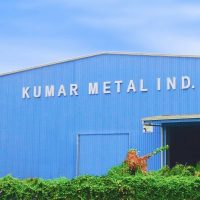
At Kumar Metal Industries, we understand the complexities of setting up solvent extraction plants. We pride ourselves on our robustly engineered, versatile and operationally profitable plants and machinery. Join our community of over 560 customers across more than 74 countries to supercharge your edible oils production. Reach out to us with your requirements, and let our team of experts take care of the rest.
You might find these interesting:
Extraction with solvents: Breaking down the techniques and technologies
Best practices for building a profitable solvent oil extraction plant
Optimising the solvent extraction method for improved edible oil yields
Want to setup oil extraction plant
Thank you for your inquiry, our team will get in touch.