Kumar Metal

Kumar supports the global oils and fats industry with innovative and sustainable solutions to process engineering challenges. We're on a mission to deliver process engineering excellence to the global oils and fats industry through innovative problem solving, sustainable solutions, cost optimizations and operational excellence that inspires trust and adds value to our relationships. [kmi_author_link]

Avatar photo

Everything you need to know about interesterification

Interesterification has emerged as a critical alternative to animal fats and industrial trans fats in modern food production. In this guide, we unpack the interesterification process in detail—how it works, how it differs from hydrogenation and fractionation, its role in public health, and why it is increasingly central to sustainable, circular oil and fat value chains.

Everything you need to know about interesterification Read More »
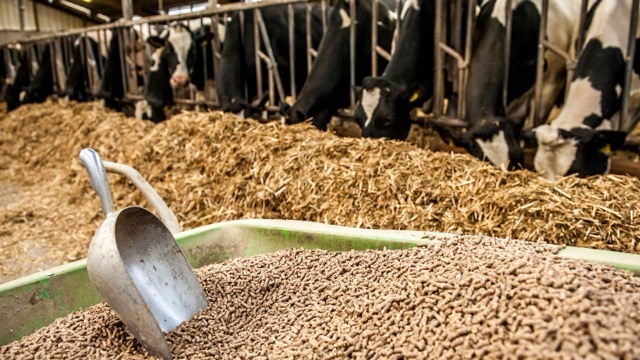
The essential checklist for setting up feed mills

Setting up a successful feed mill takes far more than installing the right machines. From understanding animal nutrition and feed classifications to optimising processes, controlling costs, and planning every stage of execution, feed manufacturing is a technical and strategic business. In this two-part guide, we break down the fundamentals of animal feed, walk through the feed milling process, and share a practical checklist to help you plan, build, and operate feed mills that deliver consistent quality, regulatory compliance, and long-term profitability.

The essential checklist for setting up feed mills Read More »

The complete guide to the crude glycerine refining process

Glycerine is far more than a by-product of soap and biodiesel manufacturing. When refined, it becomes a valuable ingredient for pharmaceutical, cosmetic, food, and industrial applications. In this guide, we break down why crude glycerine refining matters, the quality benchmarks you need to understand, each step of the refining process and the growing market opportunities for refined glycerine.

The complete guide to the crude glycerine refining process Read More »

A complete guide to planning your HVO pretreatment plant

HVO is emerging as a practical, low-carbon substitute for fossil diesel. With fuel properties that mirror conventional diesel and the ability to process a wide range of waste-derived feedstocks. This post explores why HVO matters, the role of pretreatment in ensuring fuel quality and process reliability, and what to consider when planning an HVO pretreatment plant.

A complete guide to planning your HVO pretreatment plant Read More »

Mastering the spent earth oil recovery process for maximum efficiency | Part 1

Setting up a successful feed mill takes far more than installing the right machines. From understanding animal nutrition and feed classifications to optimising processes, controlling costs, and planning every stage of execution, feed manufacturing is a technical and strategic business. In this two-part guide, we break down the fundamentals of animal feed, walk through the feed milling process, and share a practical checklist to help you plan, build, and operate feed mills that deliver consistent quality, regulatory compliance, and long-term profitability.

Mastering the spent earth oil recovery process for maximum efficiency | Part 1 Read More »

A step-by-step overview of the soap noodles manufacturing process

Introduction Soap, in its diverse forms and compositions, has an evolving market worldwide. Laundry soap, toilet soap, medicated soaps, translucent soaps, high-lather soaps… the varieties are endless. Underlying all these varieties are soap noodles – the basic building blocks of soap manufacturing. Driven by growing consumer awareness and the consequently growing market for soaps of

A step-by-step overview of the soap noodles manufacturing process Read More »

Planning a fatty acid distillation plant? Here’s what every manufacturer should know

Introduction Are you planning to set up a fatty acid distillation plant? Given the growing demand for high-purity fatty acids from industries like food, cosmetics, personal care, paints, and lubricants, that is an increasingly lucrative business opportunity. The scientific community knows of over 1,000 distinct fatty acids, which are naturally occurring components of fats, oils,

Planning a fatty acid distillation plant? Here’s what every manufacturer should know Read More »

Scroll to Top